
Conservation challenges are spatial at their core
Rapid land-use change and a warming climate are driving the loss and degradation of terrestrial and marine ecosystems and the species that depend on them. These changes also affect the food, water, and livelihoods people rely on.
Understanding where these pressures are occurring, how they are changing over time, and what is driving them is fundamental to solving them. MAPSS combines conservation science and geospatial technology to help organisations turn that understanding into practical action.
We help conservation teams measure what is happening, decide where to act, and improve impact over time
20+
countries active
80+
projects delivered
387M
ha under monitoring
45+
peer-reviewed publications
Where we Work
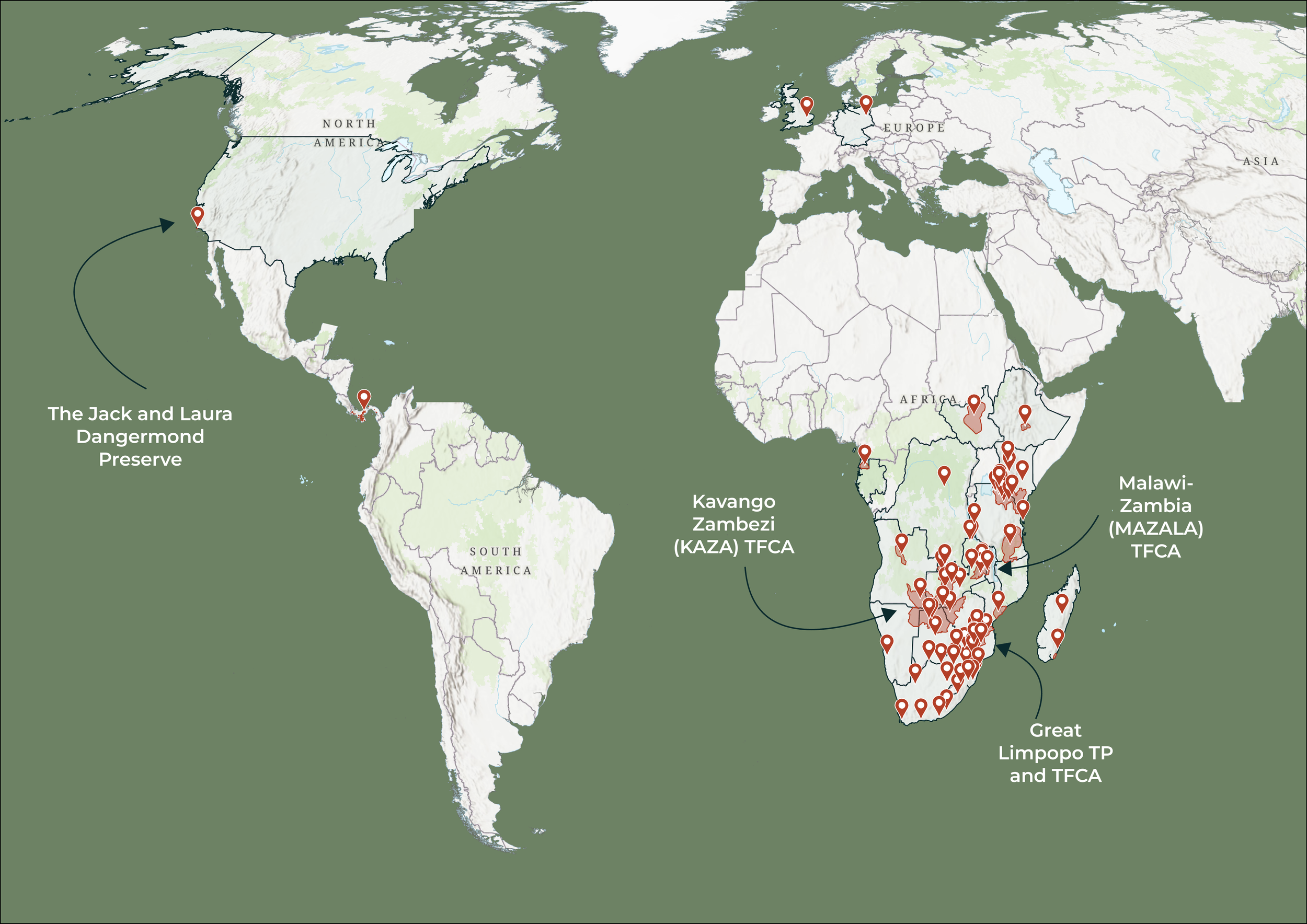
MAPSS is rooted in Africa, where our work spans some of the continent’s most important conservation landscapes — from the Luangwa Valley and Serengeti to the Okavango and Greater Kruger.
As our work has expanded beyond Africa, we have supported conservation organisations and landscapes in South America and Europe, bringing the same spatial thinking to new places, new partners, and new problems.
How We Work
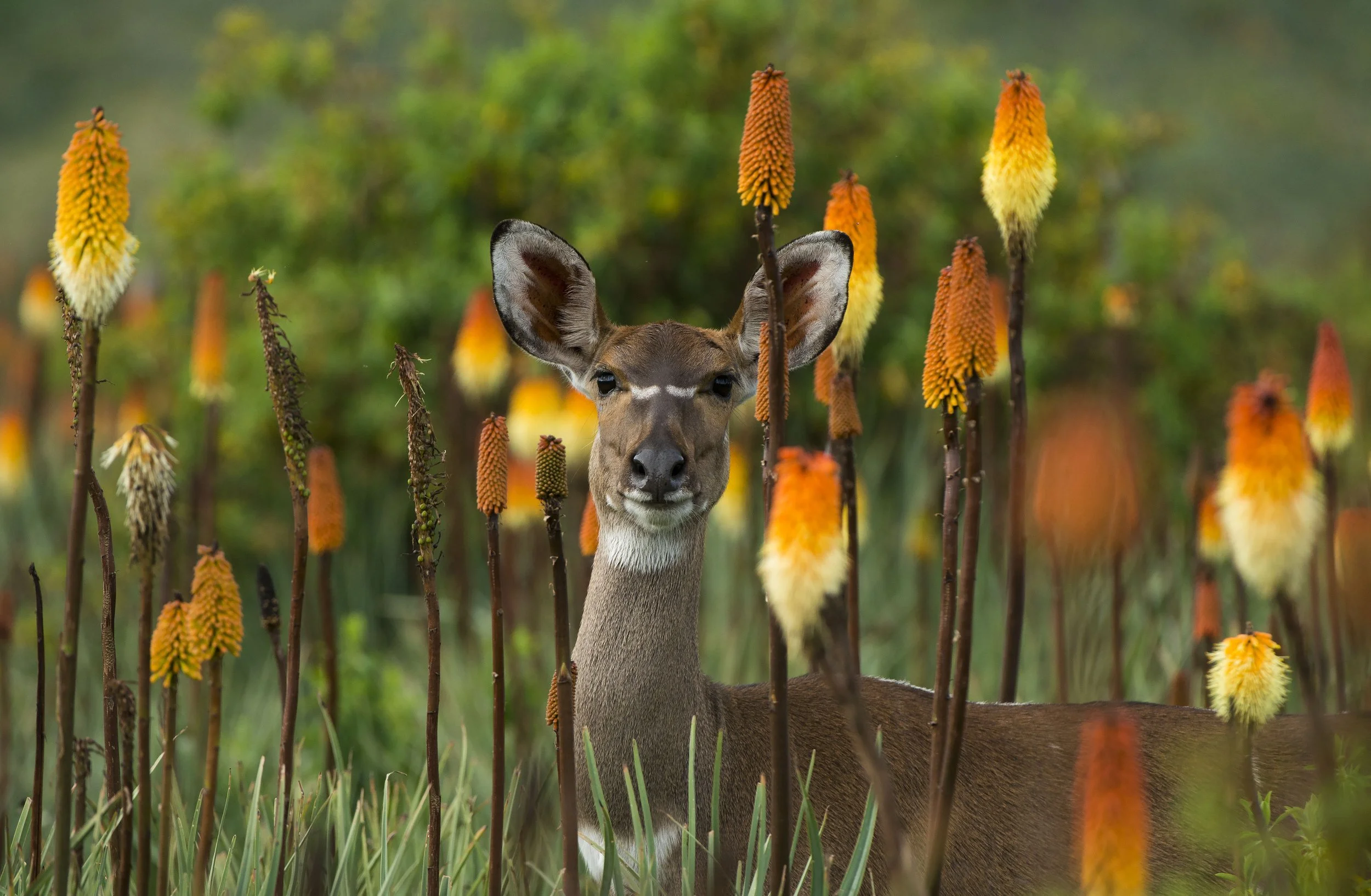
Wherever we work, we work closely with the people responsible for managing and protecting the landscape.
Founded by ecologists, MAPSS brings together field experience, conservation science, remote sensing, geospatial engineering, and software development. We use these disciplines together to understand conservation challenges, build the systems needed to monitor them, and make information accessible to the people who need to use it.
The result is more than a map or a report. It is a practical way for conservation teams to understand what is happening, track change, and make better-informed decisions.

+ Esri Conservation Partner
Trusted by








Let’s Work Together
Every landscape presents unique challenges and opportunities. Let's work together to develop practical, science-led geospatial solutions that create lasting conservation impact.